Do I Need to Stage My House Before Selling?
No, you do not have to professionally stage your house before selling it. But taking the time to prepare how your home looks and feels can make a meaningful difference in how buyers respond to it.
Home staging doesn't always mean renting furniture, hiring a designer, or spending thousands of dollars. Sometimes, it's as simple as rearranging what you already own, removing a few unnecessary pieces, and making sure each room has a clear purpose.
For homeowners preparing to sell in East Central Minnesota, the important question isn't necessarily how much staging costs. It's how much preparation your particular home needs. Here's how to decide what's worth doing, what you can skip, and where your time and money may be better spent.
What Does Staging a House Actually Mean?
Home staging is the process of arranging and presenting a property to help potential buyers understand its space, layout, and functionality.
The goal isn't to make your house look like a furniture showroom. It's to help buyers see the home itself rather than become distracted by everything inside it.
There are three common approaches to staging.
1. Staging With Furniture You Already Own
This is often the most practical starting point for sellers who are still living in their homes.
It may involve:
Rearranging furniture to improve how people move through a room.
Removing oversized pieces that make spaces feel crowded.
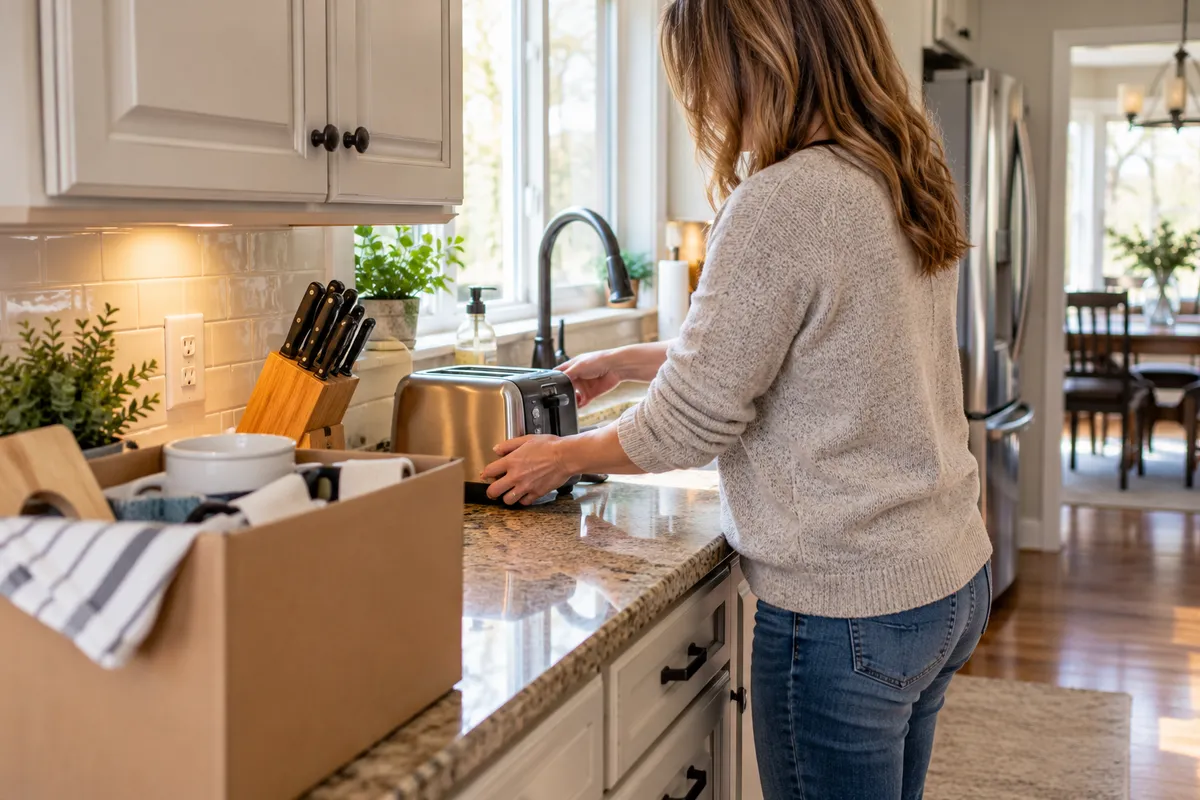
Clearing kitchen counters and bathroom surfaces.
Reducing personal decorations and collections.
Using existing lamps, rugs, and accessories to make rooms feel balanced.
You don't necessarily need to buy anything.
For example, if your living room has two large recliners, a sectional, several side tables, and an entertainment center, removing one or two pieces might make the room feel considerably more open.
The square footage hasn't changed. Buyers can simply see and understand the available space better.
2. Partial or Targeted Staging
Partial staging focuses on the rooms that need the most attention rather than treating every room equally.
A seller might choose to stage the living room, primary bedroom, and dining area while leaving the remaining rooms largely as they are.
This can be useful when most of the home already presents well but one or two spaces feel empty, awkward, or difficult to furnish.
3. Professional Staging
Professional staging generally involves hiring a staging company to arrange existing furnishings, bring in rented furniture and accessories, or furnish an otherwise vacant property.
This approach can make sense for certain homes, particularly when the existing furniture doesn't suit the space or when empty rooms need help communicating their intended use.
However, professional staging is not automatically necessary for every property.
Does Staging Help a House Sell Faster or for More Money?
Staging can improve a home's presentation and help buyers understand how they might use the space. However, it does not guarantee a faster sale, a higher offer, or a particular return on investment.
There are several reasons presentation matters.
Buyers Often See Your Home Online First
Before scheduling a showing, many buyers review listing photographs, property descriptions, and available virtual tours.
A room filled with furniture and personal belongings may be perfectly comfortable in everyday life, but those same items can compete for attention in photographs.
Consider two photographs of the same dining room.
In the first, the table is covered with paperwork, additional chairs line the walls, and a large cabinet blocks part of the window.
In the second, the table is clear, the extra chairs are removed, and natural light reaches across the room.
Neither photograph changes the property's actual features. But the second makes it easier to appreciate the room's size and layout.
That is one of the practical benefits of staging.
Staging Helps Buyers Understand Unusual Spaces
Not every room has an obvious purpose.
A finished basement might be used as a home office, exercise room, playroom, or additional living area. An unusually shaped bedroom might be difficult to visualize with furniture.
Thoughtful staging can demonstrate a possible arrangement without requiring buyers to figure everything out themselves.
Presentation Can Influence the Showing Experience
Once buyers arrive, they begin evaluating how the home feels to move through and use.
Can they walk comfortably around the furniture? Is there enough space around the dining table? Can they see the windows and architectural details?
Good staging removes unnecessary obstacles to evaluating the property.
But it is important to keep expectations realistic.
A beautifully staged home can still struggle if its asking price is too high, its condition raises concerns, or its marketing fails to reach appropriate buyers.
Staging supports a strong selling strategy. It doesn't replace one.
Which Rooms Should You Stage Before Selling?
If you don't have the time or budget to prepare every room equally, start with the areas that most directly affect a buyer's first impression and understanding of the home.
Living Room
Focus on comfortable furniture placement, clear walkways, and a layout that makes the room's size easy to understand. Remove furniture that blocks windows or makes the room feel crowded.
Kitchen
Clear unnecessary appliances, paperwork, refrigerator magnets, and decorative items from counters. Buyers should be able to see the workspace, cabinets, and overall condition.
Primary Bedroom
Keep the bed neatly made, use simple bedding, and remove furniture that limits movement. The room should communicate comfort without feeling crowded.
Bathrooms
Thorough cleaning is usually more valuable than decorative accessories. Clear personal products, clean mirrors and fixtures, and replace visibly worn shower curtains or other inexpensive items when needed.
Don't Forget the Entryway
The entryway deserves attention because it's one of the first spaces buyers experience when they walk inside.
In Minnesota, entryways and mudrooms often serve practical purposes, especially during months when coats, boots, and outdoor gear are part of everyday life.
You don't have to hide that functionality.
Instead, show how the space works. Keep hooks organized, reduce the number of shoes and coats on display, and make sure buyers can enter comfortably.
A useful mudroom can be an appealing feature when its storage and layout are easy to see.
How Much Does It Cost to Stage a House?
The cost of home staging depends on how much work is involved, whether the property is occupied or vacant, and whether professional furniture or accessories are needed.
There is no single staging budget that makes sense for every home.
Here is how the main options compare.
Staging approach | Typical expenses |
DIY staging | Cleaning supplies, storage containers, minor accessories, and your time |
Staging consultation | Professional advice and a room-by-room preparation plan |
Partial professional staging | Furniture or accessory rental for selected rooms, plus setup and related fees |
Full vacant-home staging | Furniture rental, delivery, setup, removal, and potentially ongoing rental charges |
Professional staging proposals can vary substantially. Rather than relying on a generic national estimate, request a written quote based on your home's size, location, and needs.
Before committing to a staging service, ask what is included, how long furniture rentals last, and what happens if the property remains listed longer than expected.
Is Professional Staging Worth the Expense?
Sometimes. But the decision should come down to what staging is likely to accomplish for your specific property.
Suppose you're preparing to sell a home in Cambridge.
The house is clean, well-maintained, and furnished comfortably. Its main issue is that several rooms contain too much furniture.
In that situation, rearranging and removing a few pieces may be enough to prepare the home for photography and showings.
Now consider a vacant property with a large open-concept living area. Without furniture, buyers may have difficulty understanding where the dining area ends and the living area begins.
Targeted professional staging might help communicate the layout.
Neither situation automatically calls for a full staging package.
Before spending money, I would rather have a seller understand exactly what problem the expense is supposed to solve.
If a room already photographs well and feels spacious, additional staging may offer little practical benefit.
What Matters More Than Staging When Selling a Home?
Staging can improve presentation, but there are several things I would address before investing heavily in decorative improvements.
Cleanliness and Property Condition
A staged room will not distract buyers from a leaking faucet, damaged flooring, noticeable odors, or signs of neglected maintenance.
Start by addressing visible problems and making sure the property is clean.
Pay particular attention to:
Kitchens and bathrooms.
Carpets and flooring.
Windows and light fixtures.
Pet odors and other persistent smells.
Obvious maintenance concerns.
Some repairs deserve attention before listing, while others may be better handled through pricing or negotiation. That decision depends on the nature of the problem and the property's condition.
Accurate Pricing
An attractive home still needs an asking price supported by relevant comparable properties, condition, location, and current competition.
Staging doesn't change the home's square footage, age, mechanical systems, or underlying value.
It may help buyers appreciate the property, but it should never be used as a reason to ignore what comparable homes indicate about pricing.
Professional Photography
A well-prepared home deserves photographs that accurately show its best features.
That means paying attention to lighting, camera angles, room layout, and the details buyers will want to examine online.
Amy Grafenstein incorporates professional photography and visual marketing into her home-selling preparation process because the way a property is presented online is an important part of how buyers first experience it.
The preparation should happen before the photographer arrives, not afterward.
Effective Marketing and Exposure
Even strong photographs are only part of the process.
The listing also needs an accurate description, useful property information, appropriate exposure, and a showing plan that works for the seller.
Staging, photography, pricing, and marketing should support one another.
A weakness in one area cannot always be corrected by spending more in another.
Do You Need to Stage a Vacant House?
No. A vacant house can sell without furniture, and some properties are easy for buyers to understand when empty.
Vacant homes can make flooring, wall condition, windows, and room dimensions especially visible.
However, an empty house can also present a few challenges.
Large rooms may be difficult to judge without familiar furniture for scale. Open layouts can feel less defined, and unusually shaped spaces may leave buyers wondering how their furniture would fit.
For vacant properties, there are several options worth considering.
Leave the property empty. This can work when the floor plan is straightforward, the rooms are well-proportioned, and the home photographs attractively without furniture.
Stage selected rooms. Furnishing the living room, dining area, or primary bedroom may provide enough context without staging the entire property.
Consider virtual staging. Digitally furnished photographs can help illustrate how an empty room might look. Virtual staging should be clearly disclosed, accurately represent the space, and follow applicable listing and advertising requirements. Buyers should not be misled about what is physically present in the property.
One additional consideration is the cost of maintaining rented furniture while the house is listed.
If professional staging is being considered, make sure you understand the rental agreement and how extensions are handled.
What About Staging Homes in East Central Minnesota?
The same basic staging principles apply throughout Minnesota, but the features worth emphasizing can vary considerably from one property to another.
A home in a Cambridge neighborhood may benefit from a different preparation plan than a rural property outside Braham or a house on acreage in Pine County.
That doesn't mean buyers in these communities all want the same things. It means the presentation should reflect the property's actual features and likely uses.
Homes With Acreage or Outbuildings
For a property with acreage, a detached garage, workshop, pole building, or other outbuildings, interior staging is only part of the presentation.
Buyers also need to understand the outdoor spaces.
That might mean:
Clearing unnecessary items from garages and workshops.
Making doors, access points, and walkways easy to use.
Organizing equipment and tools so the usable space is visible.
Removing clutter from patios, decks, and outdoor seating areas.
Making sure property photographs accurately represent the grounds and improvements.
A beautifully arranged living room won't answer a buyer's questions about a detached workshop or the condition of an outbuilding.
Those features deserve their own preparation and accurate marketing.
Seasonal Presentation
Minnesota weather can affect how a property looks and how easily buyers can access it.
During winter, keep driveways, steps, and walkways safely cleared of snow and ice. Make sure exterior lighting works and entry areas are ready for wet boots.
In warmer months, focus on mowing, trimming overgrown vegetation, cleaning outdoor living areas, and making patios or decks accessible.
During fall, clearing leaves from walkways and maintaining the yard can help keep the property looking cared for.
You don't need elaborate seasonal decorations.
Simple maintenance and clear access are usually more important.
Show the Features That Make Your Property Useful
A finished lower level, practical mudroom, generous storage area, or functional garage may deserve more attention than decorative furniture.
This is particularly important when preparing a property with spaces that serve multiple purposes.
For example, a lower-level room currently used for storage may also be suitable for hobbies or recreation. Removing excess boxes could make its available space easier to evaluate.
Just be careful not to market a room as a legal bedroom or approved living space without confirming that it meets the applicable requirements.
The goal is to help buyers understand what the property offers without overstating its features.
A Common Staging Mistake: Spending Money on the Wrong Things
One mistake sellers make is assuming that every room needs to look newly decorated before the house can go on the market.
That can lead to unnecessary purchases, expensive furniture rentals, or cosmetic projects that don't address what buyers are most likely to notice.
A dated but clean and functional kitchen doesn't necessarily need new cabinet hardware, lighting, or countertops just to be listed.
A bedroom doesn't automatically need new bedding if the existing linens are clean, coordinated, and presentable.
And you certainly don't need to replace every piece of furniture that doesn't match a particular decorating trend.
Another mistake is removing so much furniture that buyers struggle to understand how a room functions.
Staging should create clarity, not emptiness for its own sake.
Before making changes, ask yourself three questions:
Does this help buyers see the room's size and purpose?
Does this address something that might distract buyers or make the property feel poorly maintained?
Is this expense reasonable compared with the likely benefit?
If you cannot identify a practical reason for a staging expense, it's worth reconsidering.
How to Prepare Your Home for Photos and Showings
If you're planning to sell soon, start with a manageable preparation process.
You don't need to do everything in one weekend.
Step 1: Walk Through Your Home Like a Buyer
Begin at the front door and move through the property.
Notice what catches your attention first.
Are the rooms easy to walk through? Are important features hidden behind furniture? Do counters and surfaces feel crowded?
It can help to take photographs with your phone. Sometimes, clutter that blends into everyday life becomes much more noticeable in a photograph.
Step 2: Declutter Before Buying Anything
Pack away items you won't need before moving.
This might include seasonal decorations, excess furniture, collections, rarely used kitchen appliances, and extra belongings stored in visible areas.
Avoid stuffing everything into closets and cabinets. Buyers may want to evaluate storage space, too.
Step 3: Complete Cleaning and Minor Repairs
Once unnecessary items are removed, it's easier to identify areas that need attention.
Clean floors, windows, bathrooms, appliances, and other visible surfaces.
Address small maintenance issues that are practical to correct before listing.
Step 4: Arrange Furniture for Space and Function
Use your existing furniture to create comfortable, logical layouts.
Keep walkways open, avoid blocking windows, and make sure each room's purpose is understandable.
Step 5: Prepare for Photography
Before the photographer arrives, remove temporary clutter, straighten furniture, make beds, and clear counters.
This is also the time to check lighting and make sure the home's most useful features are visible.
Step 6: Maintain a Simple Showing Routine
Once your home is listed, you don't need to completely restage it for every appointment.
A consistent routine can make showings easier:
Put away dishes and everyday clutter.
Wipe down kitchen and bathroom surfaces.
Make beds and straighten furniture.
Secure medications, valuables, and personal documents.
Arrange for pets to be safely removed or secured.
Follow the agreed showing instructions and leave the property during appointments when appropriate.
The more practical your preparation plan is, the easier it becomes to keep your home ready while continuing to live in it.
Frequently Asked Questions
Do I Need to Stage My House Before Selling in Minnesota?
No. Professional home staging is not a general legal requirement for selling a house in Minnesota. Sellers can prepare and list their homes without hiring a staging company.
However, cleaning, decluttering, and thoughtful furniture placement can help improve how the property presents to potential buyers.
Can I Sell My House Without Staging It?
Yes. Homes can sell without professional staging, including properties that are occupied, vacant, or in need of updating.
The important factors include the property's condition, asking price, location, marketing, and how it compares with other available homes.
Should I Stage My House Before Listing Photos?
Ideally, complete your main cleaning, decluttering, and furniture arrangements before professional photographs are taken.
This helps ensure the listing photographs accurately reflect the property's intended showing condition and reduces the need for additional photography.
Is It Better to Stage an Empty House or Leave It Vacant?
It depends on the layout and the cost involved.
An empty house may photograph well if the rooms are easy to understand. For properties with large or unusual spaces, staging a few key rooms may help buyers visualize furniture placement.
Full professional staging isn't always necessary.
Do I Need to Remove All My Personal Photos Before Selling?
No. You don't have to remove every personal photograph or decoration.
Reducing highly personal displays can help buyers focus on the home, but a few tasteful personal items are unlikely to prevent someone from appreciating the property.
The goal is a clean, comfortable presentation, not a house that feels completely stripped of personality.
The Bottom Line
You don't need to spend a fortune staging your home to prepare it for sale.
For many sellers, the best improvements are straightforward: remove unnecessary clutter, arrange furniture thoughtfully, complete cleaning and maintenance, and make sure the property is ready for professional photography.
Other homes may benefit from targeted or professional staging. The right choice depends on the property, your budget, and what will actually improve its presentation.
Having helped Minnesota buyers and sellers since 2001, Amy Grafenstein understands that preparing a home for sale isn't about following the same checklist for every property. It's about identifying what matters for the home you're selling and making informed decisions before spending money.
If you're unsure how much preparation your home needs, a conversation before you start buying furniture or scheduling projects can help you prioritize.
Let's Talk
Thinking about selling your home in East Central Minnesota? Amy can help you evaluate its presentation, identify worthwhile improvements, and prepare a practical plan for getting it ready to list.
Amy Grafenstein
REALTOR® RE/MAX Results
Call or Text: 612-363-0934
Email: [email protected]
Website: www.amygrafenstein.com