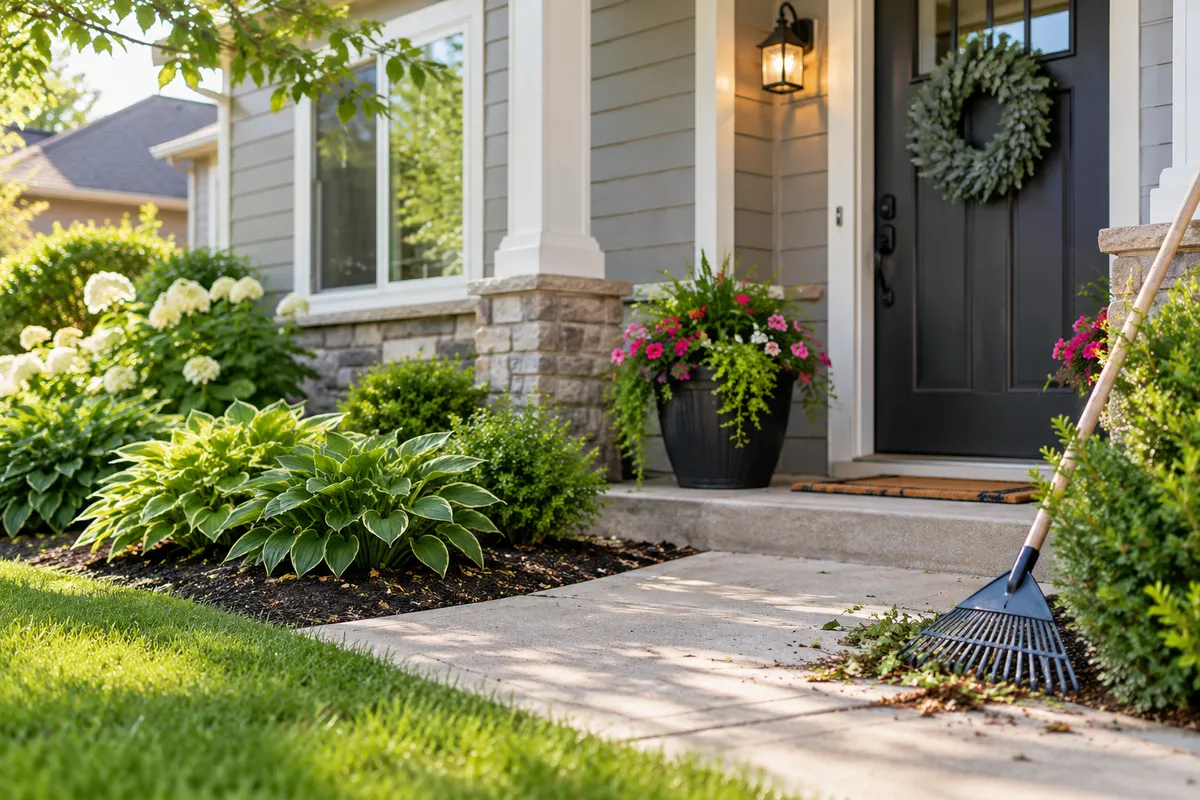
What Should I Do to Improve Curb Appeal Before Selling?
If you're preparing to sell your home, improving curb appeal is one of the simplest ways to make a strong first impression. Start by cleaning up the yard, trimming overgrown landscaping, washing exterior surfaces, and making sure the front entrance looks clean and welcoming. You don't necessarily need expensive landscaping or a freshly painted house to make a noticeable difference.
The goal is to help buyers see a property that looks well cared for before they even walk through the front door. A tidy exterior can make the home feel inviting, while visible neglect may leave buyers wondering what other maintenance has been overlooked.
For homeowners in East Central Minnesota, there's another consideration: the season. Snow, mud, fallen leaves, and our relatively short growing season can all affect how a property looks when it's time to list. Here's where to focus your efforts, what improvements are worth considering, and what you can probably skip.
1. Start With the Basics: Clean, Trim, and Clear
Before buying flowers, replacing fixtures, or planning landscaping projects, take care of what's already there.
Walk across the street and look at your home as though you're seeing it for the first time. Pay attention to what stands out immediately.
Is the landscaping blocking the windows? Are there weeds growing along the walkway? Does the driveway have clutter along the edges?
These are often the easiest problems to correct.
Your first curb appeal checklist
Mow and edge the lawn. Keep the grass at an appropriate height for the season and create clean edges along sidewalks and garden beds.
Trim overgrown shrubs. Make sure bushes aren't covering windows, walkways, or important architectural features.
Remove weeds. Check flower beds, driveway cracks, and areas around the foundation.
Clear away clutter. Put away unused planters, gardening supplies, toys, and equipment.
Clean the driveway and sidewalks. Sweep away dirt, leaves, and debris. Address stains when practical.
Remove dead plants and branches. These can make an otherwise attractive yard look neglected.
One thing sellers sometimes overlook is how much landscaping can hide a home.
A mature tree may be beautiful, but branches hanging across the front of the house can make listing photos look dark. Shrubs that have grown too tall can cover attractive windows or make the entrance feel crowded.
You don't need to remove healthy landscaping just to create a cleaner appearance. Often, careful trimming makes all the difference.
2. Give the Front Entrance Extra Attention
The front entrance deserves special attention because it's one of the few places where buyers naturally stop and look around.
While their real estate agent opens the door, buyers may notice the condition of the porch, door hardware, exterior lighting, and surrounding trim.
Small details become surprisingly noticeable when someone is standing just a few feet away.
Simple improvements that make an entrance look better
Clean or refresh the front door.
Wash away fingerprints, dust, and cobwebs. If the paint is chipped or badly faded, consider repainting it.
You don't need a dramatic color. Choose something that complements the home's siding, trim, and overall style.
Replace worn-out details.
A faded welcome mat, broken doorbell, or heavily weathered house numbers can make the entrance look tired.
Replacing these items is usually a smaller project than repainting the entire exterior.
Check the lighting.
Make sure porch lights work, fixtures are clean, and bulbs are consistent in color.
Keep decorations simple.
One or two well-maintained planters can soften the entrance without making it feel crowded.
The important thing is to make the front door easy to see and approach.
If buyers have to walk around furniture, step over decorations, or squeeze past overgrown plants, the entrance needs attention.
3. Address Exterior Maintenance Before Decorative Upgrades
This is where I would encourage sellers to be practical.
A freshly planted flower bed might look beautiful, but it won't distract buyers from peeling paint, damaged siding, or a gutter hanging loose.
Before spending money on decorative improvements, take a close look at the home's exterior condition.
Pay attention to:
Peeling or flaking paint
Loose or damaged siding
Broken exterior light fixtures
Damaged steps, railings, or porch boards
Missing or loose gutters and downspouts
Cracked or deteriorating walkways
Visible roof damage or missing shingles
Rotting trim around doors and windows
Not every imperfection requires a major repair before listing. However, visible damage deserves an honest assessment.
For example, if a porch railing is loose, that's different from a porch railing that simply looks dated. One may present a safety concern, while the other is primarily cosmetic.
Similarly, a roof that looks weathered isn't automatically defective. Its actual condition matters, and concerns may need evaluation by a qualified roofing professional.
Should you pressure wash your house?
Cleaning exterior surfaces can make a noticeable improvement, particularly when siding, sidewalks, or concrete have accumulated dirt.
However, pressure washing isn't appropriate for every material.
High-pressure water can damage certain siding, painted surfaces, wood, and window seals. It can also force water behind exterior materials.
Use a cleaning method recommended for the surface, and consider professional help when necessary.
A clean exterior is the goal, not an aggressive cleaning job that creates another repair.
4. Make Landscaping Look Maintained, Not Expensive
One of the biggest misconceptions about curb appeal is that sellers need elaborate landscaping to impress buyers.
They don't.
Most buyers aren't expecting professionally designed gardens. They want an outdoor space that looks manageable and appropriate for the property.
In fact, landscaping that appears complicated or high-maintenance may not appeal to every buyer.
Focus on what makes the yard look intentional
Start with existing garden beds.
Remove weeds, redefine messy edges, and add mulch where needed. A fresh, even layer can make established landscaping look cleaner without requiring new plants.
If there are empty spaces near the front entrance, consider a few appropriate plants or containers.
Choose plants based on the amount of sunlight, available growing space, and Minnesota's climate. For permanent plantings, check the plant's USDA hardiness rating and site requirements rather than choosing something solely because it's blooming at the garden center.
Avoid planting large shrubs too close to the foundation or selecting varieties that will eventually block windows.
What about larger properties?
Curb appeal looks different on a home with several acres than it does on a residential lot in Cambridge or Isanti.
For a rural property, buyers may pay particular attention to the driveway, approach to the home, fencing, outbuildings, and the condition of the immediate yard.
You don't necessarily need to manicure every acre.
Instead, concentrate on the areas buyers will see and use:
The driveway and entrance
The yard immediately surrounding the house
Paths to garages, sheds, and other buildings
Visible fencing and gates
Areas around patios and outdoor living spaces
For example, imagine a home on acreage outside Braham with a long gravel driveway and a large front yard.
The lawn is already maintained, but the driveway has deep ruts, branches hang over the approach, and unused equipment sits near the garage.
Adding flower beds probably wouldn't be the first priority.
Improving the driveway's condition, trimming branches, and organizing the equipment would do more to make the property feel accessible and cared for.
The best improvements depend on the property itself.
5. Adjust Your Curb Appeal Plans for Minnesota's Seasons
Selling a home in Minnesota means working with the weather, not against it.
A property listed in May may need very different preparation from one listed in November or February.
The good news is that buyers understand seasonal conditions. They don't expect a green lawn in January or blooming flowers immediately after the snow melts.
They do, however, notice how well the property is maintained.
Spring: Clean Up Winter's Leftovers
Early spring can be a challenging time for exterior presentation in East Central Minnesota.
Melting snow may expose leaves, branches, gravel, and other debris that accumulated over winter.
Start by clearing walkways and removing winter debris once conditions allow. Avoid working heavily on saturated lawns or garden beds, since that can damage the soil and grass.
As temperatures improve, clean exterior windows, wash appropriate surfaces, and prepare garden beds.
Don't rush to plant flowers before the risk of frost has passed.
Summer: Keep Everything Consistent
Summer provides an opportunity to show off outdoor spaces, but it also requires ongoing maintenance.
Keep the lawn mowed, water plants appropriately, and remove weeds before they become noticeable.
The University of Minnesota Extension recommends maintaining most residential lawns at a height of at least three inches to support healthier grass.
UMN Extension
If you're planning to list during a dry period, don't assume heavy watering will immediately restore a stressed lawn.
Focus on keeping the yard tidy and healthy rather than trying to achieve perfect green grass.
Fall: Stay Ahead of Leaves and Debris
Fall colors can make Minnesota properties especially attractive, but fallen leaves can quickly make a yard look untidy.
Keep the driveway, steps, and walkways clear. Manage heavy leaf accumulation on the lawn, clean garden beds, and remove seasonal decorations that are past their best.
If you're considering reseeding bare areas, timing matters. The University of Minnesota Extension identifies late summer through early fall as a preferred period for lawn seeding, although conditions vary.
UMN Extension
Winter: Focus on Safety and Accessibility
Winter curb appeal is largely about showing that the home remains accessible and well maintained.
Before showings:
Clear snow from the driveway and walkways.
Address slippery steps and icy areas.
Make sure the front door opens easily.
Remove excessive snow buildup near entrances.
Check that exterior lighting works.
Keep access to garages and other areas being shown reasonably clear.
If your home has a long rural driveway, make sure buyers and their agents can safely reach the property.
A home doesn't need elaborate winter decorations to look welcoming. A clean entrance, maintained driveway, and good lighting are usually more important.
One Minnesota Tree-Care Detail Worth Knowing
If your property has mature oak trees, be careful about scheduling pruning simply to improve the appearance of your yard.
The Minnesota Department of Natural Resources advises against pruning or wounding oaks from April through July because of the risk of spreading oak wilt disease. Winter is generally the safest time for this work.
Minnesota DNR
+1
If an oak has damaged or potentially dangerous branches, consult a qualified tree-care professional rather than postponing a necessary safety assessment.
6. Which Curb Appeal Improvements Are Actually Worth the Money?
Not every exterior improvement will make financial sense before selling.
A good way to decide where to spend is to separate projects into three categories.
Priority | Examples | Why it matters |
High | Cleaning, mowing, removing clutter, fixing damaged steps | Addresses obvious concerns and improves overall presentation |
Medium | Refreshing mulch, painting a worn front door, replacing outdated fixtures | Can improve appearance when the basics are already handled |
Property-dependent | New landscaping, major driveway work, full exterior painting | May be worthwhile, but requires evaluating cost, condition, and buyer expectations |
The key is understanding the difference between improving presentation and making a substantial investment in the property.
For example, replacing a broken exterior light is a straightforward decision.
Replacing every exterior light because the current fixtures aren't your favorite style is a different conversation.
The same applies to landscaping.
If the front yard has established plants that simply need trimming and fresh mulch, installing an entirely new landscape design may not be necessary.
Should you repaint the entire exterior before selling?
Not automatically.
If the existing paint is generally in good condition, cleaning and touching up specific areas may be enough.
If there is widespread peeling, deterioration, or exposed wood, a larger project may deserve consideration.
The decision should account for the home's condition, the cost of the work, the listing timeline, and how the property compares with other homes buyers may consider.
With more than 450 real estate transactions since beginning her career in 2001, Amy Grafenstein understands the importance of evaluating improvements in the context of the overall selling strategy.
The objective isn't to spend as much as possible before listing. It's to make informed decisions about which improvements are likely to matter.
7. A Common Mistake: Spending Too Much on the Wrong Improvements
One of the easiest ways to overspend before selling is to start projects without deciding what actually needs attention.
It's tempting to think that a new patio, expensive landscaping, or a complete exterior makeover will automatically make the home more valuable.
But buyers don't necessarily assign the same value to improvements that sellers do.
A seller might spend considerable money installing elaborate garden beds, while a buyer may prefer a simple lawn that's easier to maintain.
That's why I recommend getting a second opinion before committing to expensive cosmetic projects.
Don't let curb appeal distract from bigger issues
A beautiful front yard won't compensate for significant problems with the home's condition, an unrealistic asking price, or poor presentation inside.
Curb appeal works best as part of the larger selling plan.
That plan includes:
Preparing the home for photography
Evaluating the property's condition
Setting an appropriate listing price
Presenting the home's features clearly
Making the property accessible for showings
Responding thoughtfully to buyer feedback
Curb appeal helps create interest. The rest of the home needs to support the impression buyers get when they arrive.
Remember that listing photos come first for many buyers
Your home's exterior will likely appear in its online marketing before a buyer ever schedules a showing.
That means your curb appeal work should ideally be completed before professional photography.
Pay particular attention to anything that will be visible in the main exterior photo, including vehicles, trash containers, hoses, yard equipment, and temporary storage.
A clean, unobstructed view of the home allows buyers to focus on the property itself.
8. What Should You Do if You're Listing Soon?
If your listing date is approaching, you may not have time to tackle every project.
That's okay.
A focused plan can help you make meaningful improvements without delaying your sale unnecessarily.
Two Weeks Before Listing
Walk the property and identify the most noticeable concerns.
Schedule any necessary exterior repairs or professional services. Decide which landscaping tasks you can reasonably complete yourself.
If you're considering expensive work, discuss it with your real estate agent before committing.
One Week Before Listing
Concentrate on visible improvements.
Clean exterior surfaces, tidy garden beds, remove clutter, and make sure the front entrance looks presentable.
Complete smaller repairs that can be handled safely and properly.
One or Two Days Before Photography
Do a final exterior check.
Move vehicles away from the front of the house if possible. Store trash containers, put away hoses and equipment, sweep walkways, and make sure the yard looks tidy.
If weather affects your plans, coordinate with your agent and photographer rather than rushing work under poor conditions.
Once Showings Begin
Keep the exterior reasonably consistent with the listing photos.
That doesn't mean spending hours outside before every appointment.
It means maintaining the work you've already done, clearing seasonal debris, and making sure buyers can comfortably approach and enter the home.
The best curb appeal preparation is something you can realistically maintain while your property is on the market.
Frequently Asked Questions
What is the easiest way to improve curb appeal before selling?
Start by mowing the lawn, trimming overgrown landscaping, removing clutter, and cleaning the front entrance. These improvements can make the property look noticeably better without requiring major renovations.
How much should I spend on curb appeal before selling my house?
There's no fixed amount that makes sense for every home. Start with necessary maintenance and affordable cosmetic improvements. Before investing in larger projects, compare the potential benefit with the cost and your selling timeline.
Should I plant flowers before listing my home?
Flowers can improve the appearance of an entrance or garden bed, but they aren't necessary. If you choose to add them, select plants appropriate for the season and growing conditions. Healthy, established landscaping is often preferable to new plants that require extra care.
Can I sell my Minnesota home in winter without good curb appeal?
Yes. Winter buyers understand that lawns, gardens, and landscaping won't look the same as they do during warmer months. Focus on snow removal, safe access, exterior maintenance, and a clean entrance. If you have attractive photos from another season, discuss with your agent whether they can be used as clearly identified supplemental images.
Does improving curb appeal increase home value?
Curb appeal can improve a home's presentation and influence how buyers perceive its condition and attractiveness. However, not every improvement adds measurable value, and there's no guaranteed return on landscaping or cosmetic projects. Pricing, location, condition, and comparable properties remain important.
Make the First Impression Count
Improving curb appeal before selling doesn't have to involve a long list of expensive projects.
Start with cleanliness, maintenance, and the areas buyers will notice first. Address visible concerns before spending money on decorative improvements, and make decisions that fit your property and the season.
If you're preparing to sell in Cambridge, Isanti, North Branch, Braham, or the surrounding East Central Minnesota area, I can help you decide which exterior improvements deserve your attention before listing.
Sometimes the most valuable advice is knowing what you can leave alone.
Let's Talk
Amy Grafenstein, REALTOR® RE/MAX Results
Call or Text: 612-363-0934 Email: [email protected] Website: www.amygrafenstein.com