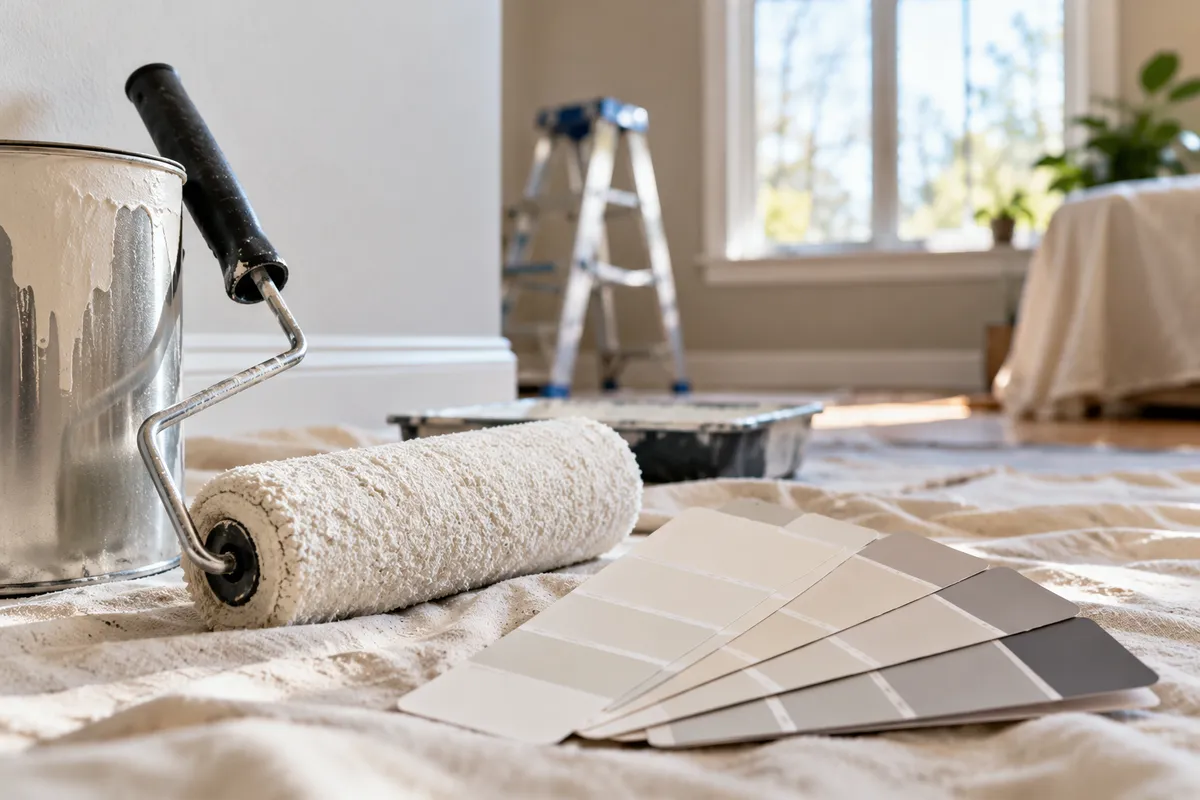
Should I Paint My House Before Selling?
Painting your house before selling can be worth it, but you probably don't need to repaint the entire home. If your walls are noticeably scuffed, the colors are very bold, or the paint is peeling, a fresh coat can help your home look cleaner and better maintained. But if the paint is already in good condition, your money and time may be better spent elsewhere.
One of the questions I hear from sellers is how much work they should do before putting their home on the market. It's understandable. You want your house to look its best, but you also don't want to spend thousands of dollars on improvements that may not make a meaningful difference in the sale.
The key is knowing which painting projects are worth considering, which ones you can skip, and how to make those decisions based on your home's condition and the buyers you're trying to reach.
When Is Painting Your House Before Selling Worth It?
Painting is usually worth considering when the existing paint makes an otherwise well-maintained home look tired, dated, or neglected.
Buyers notice the overall condition of a property, even when they aren't consciously examining every wall. Scuffed hallways, chipped trim, and uneven touch-ups can create an impression that the home needs more attention than it actually does.
Here are some situations where painting may make a noticeable difference:
Visible wear and tear: Scratches, stains, nail holes, and scuffed walls are especially noticeable in entryways, hallways, and living areas.
Strong or highly personalized colors: Bright red bedrooms, very dark accent walls, or unusual color combinations may make it harder for some buyers to picture their own belongings in the space.
Inconsistent finishes: Rooms with several different paint colors or poorly matched touch-ups can make a home feel less cohesive.
Peeling or flaking paint: Deteriorating paint can raise maintenance concerns, especially when it's visible around windows, trim, or exterior surfaces.
Recently repaired walls: Drywall patches and other repairs often need proper priming and painting to create a consistent finish.
The important distinction is between improving a home's presentation and simply changing its appearance.
A room with an unusual paint color isn't necessarily a problem. A room with damaged walls, peeling paint, and obvious repair patches deserves more attention.
My advice is to focus on condition first and color second. A well-maintained home with a little personality can be more appealing than a freshly painted home with obvious maintenance issues elsewhere.
Which Rooms Should You Paint Before Selling?
If you're working with a limited budget, you don't have to paint every room. Start with the spaces buyers are most likely to notice during showings and in listing photographs.
Living Room and Main Gathering Areas
The living room is often one of the first spaces buyers see in online listing photos.
If the walls are heavily marked, the color makes the room feel unusually dark, or the paint has noticeable inconsistencies, repainting may help the space look brighter and more inviting.
But don't assume that every dark wall needs to go. A thoughtfully chosen darker color can work beautifully in a room with good lighting and complementary finishes.
What matters is how the room looks as a whole.
Entryways and Hallways
These areas tend to collect scuffs from shoes, bags, furniture, pets, and everyday traffic.
They're also relatively simple places to refresh without taking on a major renovation.
A freshly painted entryway can make a positive first impression, especially when paired with clean flooring, working light fixtures, and tidy surroundings.
Kitchen
Kitchens deserve special attention, but painting isn't always the answer.
If the walls are stained, discolored, or showing grease buildup that cleaning won't resolve, fresh paint may help.
However, if the walls are already clean and neutral, repainting them probably won't change how buyers evaluate the kitchen.
Cabinet painting is a different decision entirely. It's more labor-intensive, requires careful preparation, and can look worse than the original finish if done poorly.
I wouldn't recommend painting kitchen cabinets automatically just because they're an older color or wood finish.
Bedrooms
Bedrooms generally benefit from a clean, comfortable appearance.
A bright purple bedroom or a dark, heavily marked accent wall might be worth repainting if it overwhelms the space.
But a soft blue, sage green, or other well-maintained color doesn't necessarily need to be replaced with beige.
Buyers can recognize that paint colors are changeable.
Bathrooms
Bathrooms are small enough that painting may be a manageable project, but moisture-related problems deserve attention first.
Peeling paint near a shower, bubbling surfaces, or persistent discoloration may indicate a ventilation or moisture issue.
Simply covering those areas with paint isn't a proper solution.
Identify and address the underlying cause before repainting.
What Paint Colors Are Best When Selling a House?
Neutral colors are generally a practical choice when preparing a home for sale because they work with different furniture styles, flooring materials, and personal preferences.
But neutral doesn't automatically mean stark white.
Some useful options include:
Warm white: Works well in spaces that need a clean, airy appearance without feeling overly bright.
Soft greige: A blend of gray and beige that can complement many common flooring and cabinet finishes.
Light beige or warm taupe: Can work especially well with natural wood trim, warm-toned flooring, and traditional finishes.
Soft gray: May suit homes with cooler flooring, cabinetry, or contemporary finishes.
The best choice depends on what's already in the home.
For example, a house with honey-toned oak cabinets and warm wood flooring may not look its best with a cool, blue-gray wall color. A warmer neutral could create a more consistent appearance without requiring changes to the cabinets or flooring.
Likewise, a bright white that looks beautiful in a sun-filled room may feel cold in a north-facing room with limited natural light.
Always test paint colors in the actual room before committing. Look at samples during the day and in the evening, with the lights on and off.
And remember, you don't need to follow every design trend.
The goal is to help buyers appreciate the space, not make every home look identical.
Should You Paint the Exterior Before Selling?
Exterior painting deserves a separate conversation because it can involve significantly more time, money, and preparation than interior painting.
It also depends heavily on the type of siding and its current condition.
In East Central Minnesota, homes may have vinyl, fiber cement, engineered wood, traditional wood siding, or a combination of materials. Each requires a different maintenance approach.
A home with clean, intact vinyl siding probably doesn't need exterior painting simply because the color isn't especially modern.
On the other hand, a home with wood siding that has extensive peeling paint, exposed wood, or deteriorating trim may need more substantial attention.
Minnesota Weather Makes Timing Important
Exterior painting requires appropriate temperatures, dry surfaces, and suitable weather conditions.
In Minnesota, cold temperatures, precipitation, and seasonal temperature swings can limit when exterior painting can be completed properly.
Some products are formulated for cooler conditions, but each paint has specific application and curing requirements. Follow the manufacturer's instructions rather than relying on a general temperature rule.
If you're preparing to list during late fall or winter, exterior painting may not be practical.
That doesn't mean you need to delay your sale.
Depending on the home's condition, you may be able to improve its appearance by cleaning appropriate exterior surfaces, removing debris, repairing damaged trim, and making the entrance look well maintained.
Don't Paint Over a Problem
This is particularly important with older homes.
Peeling paint may be caused by moisture intrusion, improper surface preparation, or deterioration beneath the finish.
Painting over the damage can temporarily hide the problem without correcting it.
Homes built before 1978 also require special consideration because existing paint may contain lead.
Federal lead-safe renovation requirements can apply when paid contractors disturb painted surfaces in pre-1978 homes. Sellers should use appropriately certified professionals when required and verify applicable rules before beginning work.
For more information, visit the EPA Renovation, Repair and Painting Program.
How Much Should You Spend on Painting Before Selling?
There isn't a single painting budget that makes sense for every seller.
The cost depends on the size of the project, the condition of the surfaces, the amount of preparation required, the paint selected, and whether you do the work yourself or hire a professional.
Painting one bedroom is a very different expense from repainting a two-story home's entire interior.
Instead of starting with a dollar amount, I recommend evaluating the project in three steps.
1. Identify What Actually Needs Attention
Walk through the home as though you're seeing it for the first time.
Look for visible damage, inconsistent finishes, dark or heavily marked walls, and areas where paint condition makes the home appear poorly maintained.
Separate the necessary repairs from the cosmetic preferences.
2. Get an Estimate Before Committing
If you're considering professional painting, request a written estimate that explains what's included.
Ask about surface preparation, drywall repairs, primer, number of coats, trim work, materials, cleanup, and the expected completion timeline.
The cheapest estimate isn't necessarily the best value if it excludes work needed for a durable, consistent finish.
3. Consider What Else Needs Your Budget
This is where sellers sometimes get tripped up.
Imagine spending several thousand dollars repainting an entire interior while leaving stained carpeting, a leaking faucet, and damaged flooring untouched.
Buyers may appreciate the fresh walls, but they're still going to notice those other problems.
Painting should be evaluated alongside the rest of your preparation.
And while fresh paint can improve presentation, there is no guarantee that you'll recover every dollar spent through a higher sale price.
Sometimes the value is simply that the home photographs better, looks more inviting during showings, or creates fewer cosmetic objections.
Those benefits can matter, but they need to be weighed against the expense.
What If You Don't Have Time to Paint Before Listing?
You can still prepare your home for sale without taking on a major painting project.
If your listing date is approaching, focus on the improvements that can be completed properly within your available time.
Start by cleaning the walls. Some marks that look like permanent damage can be removed with appropriate cleaning products. Test a small, inconspicuous area first so you don't damage the finish.
Next, identify areas that need minor repairs. Small nail holes, chipped corners, and damaged caulking may be relatively manageable projects.
Be careful with touch-up paint, though. Even if you have the original color, differences in sheen, age, and application can make touch-ups stand out.
Sometimes repainting an entire wall produces a better result than trying to blend several small patches.
If you have only a few days before professional photography, I would prioritize having the home clean, decluttered, and ready for pictures rather than rushing through a painting project.
Poorly executed painting can create additional work, and fresh paint needs adequate drying and curing time.
A clean, well-presented home with older paint can make a better impression than a home with rushed, uneven painting.
A Common Mistake: Painting Everything Before Asking for Advice
One mistake sellers can make is assuming that every room needs to be neutralized before they invite a real estate agent to evaluate the property.
That can lead to unnecessary spending.
For example, imagine you're preparing to sell a well-maintained home in Cambridge. The living room has soft green walls, the bedrooms are light beige, and the kitchen has warm wood cabinets.
You might assume that repainting everything white would make the house more appealing.
But if the existing colors work well together and the paint is in good condition, a full repaint may provide very little additional benefit.
Now imagine a different home in Isanti with heavily scuffed hallways, several unfinished drywall patches, and a dark bedroom with noticeable paint damage.
In that situation, selective painting could make a meaningful improvement without requiring a whole-house project.
Neither example calls for an automatic decision.
The right recommendation depends on the home's condition, price range, competing listings, and overall presentation.
This is one reason I encourage sellers to have a pre-listing conversation before investing in cosmetic improvements.
Having helped Minnesota buyers and sellers since 2001, I've learned that preparation works best when each improvement has a clear purpose.
You don't need to make your house perfect. You need to understand what buyers are likely to notice and which improvements are worth your effort.
How Painting Fits Into Your Overall Selling Strategy
Fresh paint can help a home look its best, but it isn't a substitute for appropriate pricing, professional photography, or effective marketing.
These elements work together.
A freshly painted home that's priced above comparable properties may still struggle to attract interest.
Likewise, a properly priced home with beautiful interior spaces can lose some of its appeal if the listing photographs are poorly lit or fail to show its best features.
That's why I prefer looking at the entire property before recommending specific improvements.
Before deciding to paint, consider these questions:
Will the project correct visible damage or simply change a color?
Will it make an important room look noticeably better in photographs?
Does the existing paint make the home appear less maintained than it actually is?
Could the same budget address a more important repair?
Can the work be completed properly before photography and showings?
The answers can help you decide where painting belongs on your preparation list.
And if you're planning to sell a home in East Central Minnesota, it's worth reviewing comparable properties in your specific area and price range.
A home's age, finishes, condition, and likely buyer expectations all play a role in determining which updates deserve attention.
Frequently Asked Questions
Should I paint my house before selling if the walls are already neutral?
Probably not, unless the paint is damaged, stained, or noticeably worn. Neutral walls that are clean and in good condition generally don't need repainting simply because the color isn't the newest trend.
Does fresh paint increase home value?
Fresh paint can improve a home's presentation and perceived condition, which may influence buyer interest. However, it doesn't guarantee a higher appraisal or selling price. The financial benefit depends on the property's condition, the cost of painting, and how the home compares with similar listings.
Should I paint my house white before selling?
Not necessarily. Warm whites, soft beiges, greiges, and other understated colors can work well. Choose a color that complements the existing flooring, cabinetry, trim, and natural lighting rather than assuming white is always best.
Is it better to paint yourself or hire a professional before selling?
DIY painting may save on labor costs if you have the skills, tools, and time to produce a consistent finish. Professional painting may be worthwhile for extensive repairs, high ceilings, difficult surfaces, or larger projects. For homes built before 1978, lead-safe precautions are particularly important.
Can I sell my house without repainting it?
Absolutely. A home doesn't have to be freshly painted to sell. Buyers consider the property's overall condition, location, price, layout, and features. If your paint is in reasonable condition, cleaning, decluttering, and addressing necessary repairs may be enough.
The Bottom Line: Paint Where It Makes a Difference
If you're wondering whether to paint your house before selling, my recommendation is simple: don't start buying paint until you know which areas actually need attention.
Sometimes a few freshly painted walls can make a noticeable difference. Other times, the existing paint is perfectly fine, and your time and money are better spent preparing other parts of the property.
If you're considering selling in Cambridge, Isanti, North Branch, Braham, or the surrounding East Central Minnesota area, I'd be happy to help you evaluate your home's condition and decide which improvements make sense before listing.
Let's Talk
Amy Grafenstein, REALTOR® RE/MAX Results
Call or Text: 612-363-0934 Email: [email protected] Website: www.amygrafenstein.com