What Should I Do Before Listing My House for Sale in Minnesota?
Before listing your house for sale in Minnesota, focus on the work that will make the home easier to evaluate, easier to show, and easier to buy. That usually means understanding your likely selling costs and timeline, reviewing the home’s condition, taking care of worthwhile repairs, cleaning and decluttering, gathering property information, completing required disclosures, and deciding on pricing and presentation before the listing goes live.
You do not need to renovate your entire house or make it look like a model home. In fact, spending money on the wrong improvements is one of the easiest ways to make preparing for a sale harder than it needs to be.
The goal is to figure out what deserves attention, what can stay as-is, and what buyers are likely to notice. After helping Minnesota homeowners sell since 2001, I’ve found that a good pre-listing plan makes the rest of the process much easier to manage.
1. Start With Your Timeline, Finances, and Selling Priorities
Before you start painting walls or filling a dumpster, get clear on the bigger picture.
Ask yourself:
When would you ideally like to move?
Do you need to sell before buying another home?
Where are you moving next?
How much do you still owe on your mortgage?
What do you hope to net from the sale?
Are there repairs or projects you already know the house needs?
How much time can you realistically spend preparing the property?
These questions affect the decisions that come later. A homeowner who needs to move in three weeks should prepare differently from someone who has three months and flexibility on timing.
I use these kinds of questions early with sellers because preparation should support the seller’s actual goals—not become an endless home-improvement project. My seller materials specifically ask homeowners to think about their moving timeline, expected proceeds, and concerns about listing before deciding on the next steps.
If you are also purchasing another home, this is the time to talk with your real estate agent and lender about how the two transactions may fit together. Do not assume you need to list first, buy first, or close both transactions on the same day. The right structure depends on your finances and circumstances.
2. Have the House Evaluated Before You Decide What to Fix
One of the biggest mistakes sellers make is deciding what their house needs based entirely on what bothers them.
A dated light fixture might drive you crazy but have little effect on the sale. Meanwhile, a slow plumbing leak, damaged exterior trim, sticking door, or obvious deferred maintenance may immediately catch a buyer’s attention.
Before spending heavily, walk through the property with your real estate agent and separate potential projects into three groups:
Items worth addressing before listing — visible damage, maintenance concerns, safety issues, unfinished projects, and defects likely to distract buyers.
Low-cost presentation improvements — cleaning, decluttering, minor touch-ups, landscaping, lighting, and simple cosmetic improvements.
Projects that may not be worth doing — expensive renovations that are unlikely to return enough value or that buyers may prefer to customize themselves.
This is especially important with older homes and rural properties in East Central Minnesota. The conversation may extend beyond kitchens and bathrooms to roofs, siding, decks, outbuildings, furnaces, wells, septic systems, and other property-specific features.
My seller preparation process asks homeowners to document both interior improvements—such as flooring, appliances, heating, plumbing, electrical, windows, and doors—and exterior improvements including roofing, siding, decks, fencing, outbuildings, landscaping, and septic work.
That information can be valuable when positioning the property and answering buyer questions later.
Should I get a pre-listing home inspection?
Not necessarily.
A pre-listing inspection can make sense when a seller wants a clearer understanding of an older property’s condition or suspects there may be issues worth addressing before buyers conduct their own inspection. But it is not automatically the right choice for every seller.
Talk through the advantages and possible consequences with your real estate professional before ordering one. Information discovered before listing may also affect your disclosure responsibilities.
3. Gather Your Property Records and Complete Minnesota Disclosures Carefully
Do not leave the paperwork until the night before your house goes on the market.
Start gathering documents relating to improvements and important property systems. Depending on the home, useful records may include invoices, permits, warranties, roof information, appliance information, HVAC records, septic documentation, well records, surveys, and information about past repairs.
Also make a list of improvements and approximately when they were completed. You may have lived with that newer furnace for years and barely think about it anymore, but that information can be useful to a buyer evaluating the property.
Minnesota seller disclosure requirements
Minnesota law generally requires a seller, before a purchase agreement is signed, to make a written disclosure to a prospective buyer of material facts known to the seller that could adversely and significantly affect an ordinary buyer’s use and enjoyment of the property or a known intended use. The disclosure is to be made in good faith and based on the seller’s knowledge at the time. There are statutory exceptions and circumstances in which the general disclosure may be waived, so your particular situation should be reviewed with the appropriate real estate or legal professional.
The important practical point is simple: answer disclosure questions carefully and truthfully.
Do not guess. Do not minimize a known issue because it was repaired years ago. And do not try to diagnose something you genuinely do not know.
Minnesota also has specific radon disclosure requirements
Minnesota's Radon Awareness Act requires sellers of residential real property, subject to statutory exceptions, to provide specific information about known radon testing, results, mitigation, and related documentation before the purchase agreement is signed. Sellers must also provide the required Minnesota Department of Health radon information to the buyer.
A radon test itself is not automatically required as part of a Minnesota real estate transaction. The Minnesota Department of Health says testing and mitigation can be negotiated between buyers and sellers, although the department recommends testing.
If you have previous radon test results or documentation for a mitigation system, find those records before listing rather than scrambling for them after an offer arrives.
4. Pay Special Attention to Wells and Septic Systems
This is where preparing a home for sale in East Central Minnesota can look very different from preparing a typical urban property.
If your property has—or may once have had—a private well, gather whatever records you have.
Minnesota requires sellers to disclose the location and status of known wells before an agreement to sell or transfer the property is signed. Well status is identified as in use, not in use, or sealed. Minnesota Department of Health guidance also explains that the requirement applies to different kinds of wells, not simply the drinking-water well currently serving the house.
That distinction can matter on older properties. An unused well from before municipal water was connected, for example, should not simply be forgotten because it is no longer serving the house.
What about septic systems?
Minnesota also has disclosure requirements for how sewage is managed at a property. If the property uses an onsite septic system, the required information includes details about the system and, to the extent practicable, its location.
A septic compliance inspection is not universally required by Minnesota state rules every time a property transfers. Local ordinances can impose additional requirements, however, and the Minnesota Pollution Control Agency notes that some counties, cities, and townships require compliance inspections before property transfer or impose other local requirements.
That is particularly important for sellers with rural properties or properties in areas subject to local septic regulations.
Before listing, confirm the requirements that apply to your specific property and local jurisdiction rather than assuming the rules are the same everywhere in Minnesota.
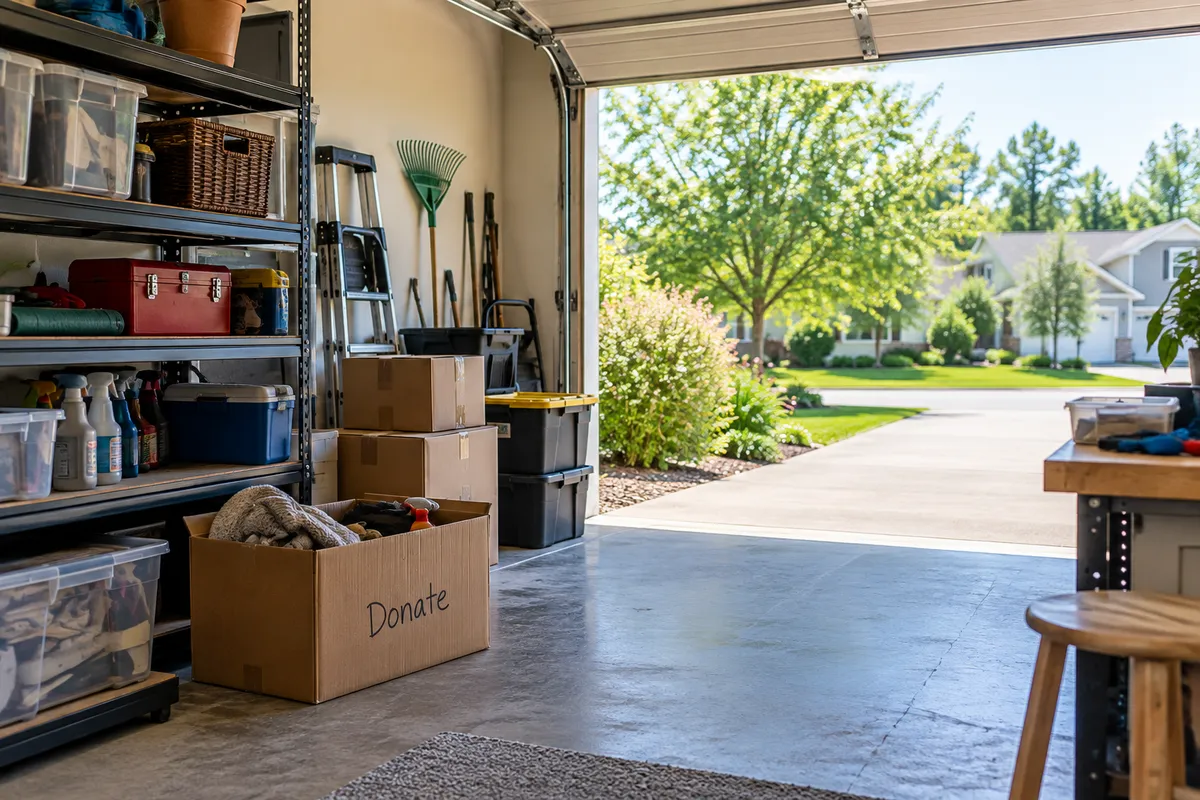
5. Clean, Declutter, and Stage for the Way Buyers See the Home
Once you know which repairs actually matter, turn your attention to presentation.
The goal is not to erase every sign that somebody lives there. It is to remove enough visual distraction that buyers can easily understand the rooms, storage, layout, and condition.
Start with the places buyers tend to notice most.
Kitchen
Clear unnecessary items from the counters, clean appliances and surfaces thoroughly, and remove excess items from the refrigerator and tops of cabinets.
Living areas
Remove furniture that makes rooms feel crowded. You want buyers to understand the size and function of the room without having to mentally rearrange it.
Bedrooms
Make the beds, reduce unnecessary furniture, organize visible storage, and keep bedding simple and tidy.
Bathrooms
Clean them thoroughly. Put away everyday toiletries, medications, cleaning supplies, laundry, and excess products. Fresh towels and uncluttered counters make a noticeable difference.
Exterior
Mow, trim, sweep, remove obvious debris, clean the entrance, and take care of easy exterior maintenance. You do not necessarily need an elaborate landscaping project.
These recommendations are also reflected in my seller staging materials, which emphasize reducing counter clutter, removing excess furniture, simplifying bedrooms, thoroughly cleaning bathrooms, and taking care of the yard and exterior presentation.
There is another benefit to decluttering early: everything you remove now is something you will not have to pack later.
6. Prepare the House for Professional Photography
Your home should be essentially show-ready before the photographer arrives.
Do not plan on finishing the decluttering after photos. The photography is often a buyer’s first meaningful look at the property, so the house should already represent how you intend to present it during showings.
My listing process includes a final check before professional photography and videography, followed by seller review of the photography and marketing materials before the home becomes active.
Before the photo appointment, I generally want the seller’s major preparation completed: repairs addressed, cleaning finished, counters cleared, beds made, personal clutter put away, and exterior areas cleaned up.
Strong photography cannot fix poor preparation.
What it can do is clearly show the space, condition, layout, natural light, updates, property features, land, outbuildings, or other characteristics that may matter to buyers.
That distinction is important. Presentation and photography are not about making the home appear to be something it is not. They are about making sure buyers can clearly see what is actually there.
7. Decide on Pricing Before the Listing Goes Live
Preparing a beautiful home and then choosing the asking price based on what you want to get can undo a lot of good preparation.
Your listing price should be based on the property itself and relevant market evidence, including factors such as:
Recent comparable sales
Competing listings
Property condition
Location
Lot and acreage
Updates and improvements
Features and amenities
Current buyer alternatives
Market activity relevant to your property
A home in Cambridge should not be priced simply from a statewide Minnesota trend. A rural acreage property should not be evaluated exactly like a subdivision home. A property with a private well, septic system, pole building, significant acreage, or unusual improvements may require a more property-specific comparison.
This is where local knowledge becomes especially useful.
My pre-listing process includes reviewing market analysis, evaluating the property, reviewing relevant local market information, and establishing a pricing strategy before the listing becomes active.
Do not automatically add the cost of improvements to your asking price
This is another place sellers can get tripped up.
If you spent $20,000 improving something, that does not necessarily mean buyers will pay exactly $20,000 more for the house.
Improvements can absolutely affect marketability and value. But cost and market value are not the same thing.
Keep your improvement records because they help tell the property's story. Let comparable properties, buyer behavior, condition, and the characteristics of the home help determine the pricing strategy.
8. Make a Showing Plan Before You Need One
Once the listing is active, sellers often discover that keeping a house ready for buyers is harder than preparing it for photographs.
Create a routine beforehand.
Decide where you will quickly put everyday items. Have a plan for pets. Identify what needs to leave the bathroom counter each morning. Figure out how quickly you can straighten beds, dishes, toys, and workspaces.
For security and privacy, put away medications, valuables, financial paperwork, mail, identifying documents, and other sensitive items before showings begin. My showing checklist also calls for securing valuables and medications, hiding mail, cleaning and decluttering, putting dishes away, managing pets, and leaving the property for the showing.
If you have pets, do not wait until the first showing request to figure out what to do with them.
And whenever possible, sellers should leave during showings. Buyers are usually more comfortable looking closely at the property and discussing it when the owner is not standing nearby.
What Sellers Often Get Wrong Before Listing
The most common mistake is assuming that more preparation is always better.
It isn't.
A seller can spend weeks and thousands of dollars replacing perfectly functional finishes while overlooking the loose railing, dripping faucet, packed garage, dirty windows, overgrown landscaping, or missing property documentation that would have been more useful to address.
The opposite can also cause problems: doing almost nothing because “the buyer can change it.”
Good preparation falls somewhere between those extremes.
For example, imagine an older home in Isanti County with a dated but well-maintained kitchen, a newer roof, a private well, a septic system, and a large outbuilding.
Replacing the entire kitchen solely because it looks dated may not be the best use of the seller's money. Documenting the roof replacement, confirming well and septic information, repairing obvious defects, cleaning thoroughly, organizing the outbuilding, improving exterior presentation, and professionally photographing the property may be much more useful.
The right preparation depends on the specific house, not a generic list of upgrades every seller is told to complete.
A Practical Before-Listing Checklist for Minnesota Sellers
Before your home goes on the market, work through these items:
Clarify your ideal selling and moving timeline.
Estimate your mortgage payoff and discuss expected selling expenses and net proceeds.
Have your real estate agent evaluate the property before making major improvements.
Address worthwhile repairs and unfinished projects.
Gather receipts, warranties, permits, improvement records, and property-system information.
Identify and document relevant well and septic information.
Complete applicable Minnesota seller and radon disclosures carefully.
Declutter and remove excess furniture.
Deep-clean the house.
Improve simple exterior and entry presentation.
Prepare the home fully before professional photography.
Review comparable properties and establish a pricing strategy.
Decide how pets, valuables, medications, mail, and personal information will be handled during showings.
Make a plan for keeping the house reasonably show-ready once the listing is active.
You do not have to accomplish every possible improvement. You need to accomplish the right ones for your property and your selling goals.
Frequently Asked Questions
What should I do first before listing my house for sale in Minnesota?
Start with a pre-listing conversation and property evaluation before spending significant money on repairs or improvements. Establish your timeline, financial goals, likely pricing range, property condition, and preparation priorities first. That gives you a much better basis for deciding what actually needs to be done.
Do I need to fix everything before selling my house?
No. A house does not need to be perfect to sell. Some repairs may improve marketability or prevent predictable buyer concerns, while other projects may cost more than they are worth to you as the seller. Evaluate repairs individually rather than assuming every imperfection needs to be corrected.
Do Minnesota sellers have to disclose problems with their home?
Minnesota's general residential real estate disclosure law requires sellers, subject to statutory provisions and exceptions, to disclose known material facts that could adversely and significantly affect an ordinary buyer's use and enjoyment of the property or a known intended use. Minnesota also has separate requirements involving matters such as radon and wells.
If you are unsure how a particular issue should be disclosed, discuss it with your real estate professional and, when legal interpretation is needed, a qualified Minnesota real estate attorney.
Should I test for radon before listing my Minnesota home?
Minnesota does not require a radon test simply because a home is being sold, but the Minnesota Department of Health recommends testing and specifically suggests sellers consider testing well before putting the property on the market. Sellers also have specific disclosure obligations regarding known radon testing and results.
How long should I give myself to prepare my house for sale?
There is no single timeline that works for every property. A well-maintained home may need relatively little preparation, while another property may benefit from repairs, contractor work, decluttering, or extensive cleaning. Starting the conversation several weeks before you hope to list gives you more flexibility, but a shorter timeline can still be workable when preparation is prioritized carefully.
Preparing Your Minnesota Home to Sell
The best thing you can do before listing your house is make a plan before you start spending money.
Know your timeline. Understand the condition of the property. Gather your information. Complete the necessary disclosures. Concentrate on repairs and presentation that matter. Then make sure pricing, photography, marketing, and showing preparation are working together.
I’ve been helping Minnesota buyers and sellers since 2001, and one of the most useful things I can do for a seller early in the process is help separate what needs attention from what probably does not.
If you are considering selling a home in Cambridge, Isanti, North Branch, Braham, or elsewhere in East Central Minnesota, we can look at your property and build the preparation plan around the house you actually have.
Let’s Talk
Amy Grafenstein, REALTOR®
RE/MAX Results
Call or Text: 612-363-0934
Email: [email protected]
Website: AmyGrafenstein.com